
If you’re thinking about upgrading or installing a new water treatment system in your home, like a water softener system, the price point is often the first place to start your journey in finding the right unit — especially if you’re on a budget.
However, with some appliances, cheaper may not always be better, and while the price tag can be tempting, opting for a cheaper water softener system can cost you hundreds in the long run.
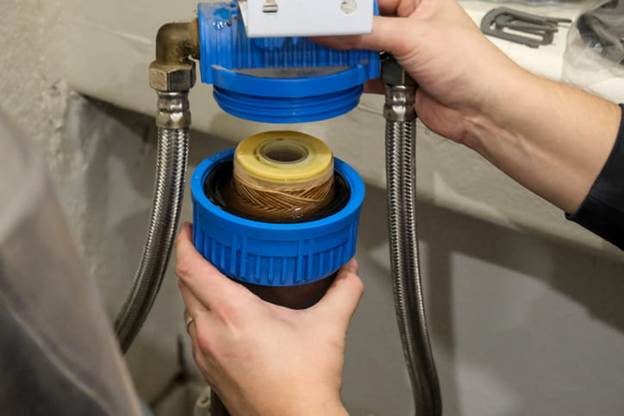
Today, we’re taking a closer look at what it means to purchase a reliable water softener system, what features matter most in a quality water softener system, and why cheaper might not always be the best option for both your home and wallet.
If you want to learn more about quality and affordable water softener systems, turn to the trusted professionals at Rain Water Conditioning Las Vegas.
Get to know our team!
Why Are Cheaper Water Softeners Less Reliable Over Time?
As you shop for water softener systems, you’ll come across wide price ranges for the same type of unit. The reason why some units might be cheaper than others comes down to certain factors, like the quality of the materials used and the quality and efficiency of the components within the unit.
Material Quality
Cheaper water softener systems typically use more affordable materials that are unfortunately less reliable. This might include brittle plastics and low-grade rubber gaskets and seals. Higher quality water softener systems will use engineering grade polymers, bypass valves made out of stainless steel, and high-quality seals.
Over time, this lower quality material will begin to break down. Plastic gears might become stripped down, and low-quality seals may begin to crack, leading to hard water contaminating the softened water exiting your unit.
Inefficient Components
The components within cheap water softener systems can also cause the unit to work harder than it should. For example, cheaper units might have regeneration systems in place that cause the system to clean itself more than necessary. Over time, this overuse can cause your system to require more maintenance checks and can ultimately lead to a shorter lifespan of your water softener unit.
Related: Water softener vs. water conditioner — what’s the difference?
What Hidden Costs Come With Low-Cost Water Softener Systems?
The purchase price of a low-cost water softener system is not the only cost you should consider as you shop around for the right water softener system for your home.
The purchase price is the upfront cost, but there can be a number of unexpected fees that follow, including:
- Salt inefficiency: Lower cost water filtration systems usually don’t have what’s known as demand-initiated regeneration (DIR). This is a process that measures how much water you’ve used instead of operating on a fixed schedule like every three days. If you are using less water, your system could end up wasting salt and water as it’s flushing a resin bed that is still clean. Over an extended period of time, this inefficient use of salt could raise your annual salt bill an extra $100 to $200.
- Water waste: Much like older models, cheaper water softener systems tend to use more water than more modern efficient units, leading to unnecessarily higher water bills.
- Increased maintenance cost: Often, cheaper quality water softener units require more maintenance to replace cracked seals, brittle or broken plastics, and other maintenance issues.
- Installation and removal costs: Often, higher quality units include installation and removal costs.
How Do Cheaper Systems Impact Water Quality and Efficiency?
Water softener systems work to swap hard minerals, like calcium and magnesium, ions for sodium ions so that the water becomes soft. Cheaply made water softener systems don’t do this job as well as quality water systems can because the plastic distribution basket at the bottom of the tank can crack, forcing water to flow out.
This also allows hard water to bypass the resin beads and move into your pipes. This leads to water in your home that is only partially soft. Over time, you’ll start to feel the effects of hard water, including limescale build up on water fixtures, cloudy residue on dishes, and even soaps that don’t lather well.
The quality of the water is also impacted by the lack of efficiency of cheap plastic valves and seals. Over time, these plastic valves and seals will slowly leak, resulting in partially soft water.
What Maintenance and Repair Issues Are Common With Budget Systems?
If you purchase a budget water softener system, you should expect to have more frequent issues than if you were to purchase a quality water softener system.
Here are the most common maintenance and repair issues budget systems face:
- Motor burnout: Budget water softener systems often use small electric monitors that quickly get burnt out. You’ll also find that replacement motors can be difficult to come by for generic units.
- Clogged injectors: Budget systems also tend to have more blockages in their injectors because these injectors can get clogged much quicker than larger, quality units.
- Seal failures: Budget units also tend to crack within one to two years, which can lead to damage to your system and water leaks on your floor.
- Resin bead degradation: Overtime, cheap resin beads can become mushy and discharge into your plumbing system, which can lead to clogging.
How Can Investing in a Higher Quality System Save Money in the Long Term?
A budget water softener unit can feel like it’s saving you money up front, but the reality is that over the long term, you’ll likely spend more, due to maintenance, faulty valves, and inefficient operation.
With reputable companies, like Rain Water Conditioning of Las Vegas, you can expect quality water treatment units, professional water softener installation, and ongoing maintenance support to ensure your unit continues to operate as it should.
Find the Right Water Softener System for Your Home
At Rain Water Conditioning of Las Vegas, our team of experts are here to help you understand the type of water treatment solutions that will work best for your home’s needs. Along with quality units, you can expect excellent water softener repair services to ensure your unit continues to operate as it should — providing soft, clean water into your home.